Dad’s Printing / Commerce / System 06 of 06
2021–2023Project context
Partner
Programmatic product visuals and listings
Reuse product layouts and artwork to prepare consistent images and listing content for apparel.
- Noah’s contribution
- Noah describes proposing marketplace expansion and building programmatic mockup/listing work using Photoshop and graphics packs.
- Historical stage
- Historical production account, operating training and bounded image/template tests; unresolved errors retained.
- Part of the business
- Dad’s Printing overview ↗
- Photoshop automation
- Graphic packs
- Etsy
- Shopify
Inside this system
The workflow
The handoffs
inside the work.
Follow the main path and its branches. Select a step for context; the account below explains what was built, tested or planned.
- Reusable graphic pack
Supply the artwork variation used across apparel product presentations. - Product presentation template
Keep a consistent mockup base while changing the artwork input. - Photoshop automation
Generate realistic product visuals from the repeated artwork/template combination. - Generated product visuals
Prepare product images for the relevant marketplace or storefront. - Channel listing material
Prepare product text and keyword material for the target channel. - Listing-ready product material
Bring the visuals and product content together for the channel handoff. - Customer-service image feedback
Use questions and recurring customer issues to inform listing-image revisions. - Revise listing-image requirements
Maintain a clear thumbnail, instructions, variants and lifestyle context.
Key records
The information
that carries forward.
| Record | Information | Purpose |
|---|---|---|
| Product mockup template | Apparel visual and the replaceable design area. | Provide a consistent base for generated variations. |
| Design input | Graphic-pack pattern or other permitted artwork. | Supply the variation used in the mockup. |
| Listing output | Generated visuals and channel-specific listing material described retrospectively. | Prepare the product for a marketplace/storefront catalog. |
Inside the system / 01
The historical work
Noah explicitly names Dad’s Printing in a retrospective walkthrough and describes joining the work during the pandemic-era move into custom face masks. His contribution included suggesting Etsy expansion and programmatically generating product visuals and listings. He describes using Photoshop automation with reusable graphic packs, extending the approach beyond masks to shirts and other apparel.
The useful system idea is a repeatable visual-production path: keep the product presentation consistent, change the artwork input and generate the associated product material. Another named account describes realistic mockups and listing content adapted for different platforms. This supports an automation case, without claiming that contemporary generative AI was involved.
Inside the system / 02
Results and remaining work
The named retrospective account establishes Photoshop automation with reusable graphic packs. It describes the production approach rather than providing a fresh batch execution or the complete template configuration.
This workflow has no separate listing-volume or sales-gain figure, and publication of every prepared listing is unverified. Exact channel mappings and a representative input/output package remain undocumented.
Inside the system / 03
A distinct part of the operation
This workflow prepared product presentation and listing material. The order-handoff and production-document systems addressed the next operational responsibility: carrying a purchased product, customer choices and artwork into work the team could fulfill.
Product research and validation
Choose products the operation
can actually produce.
The sourcing handover starts with production capability. Candidates needed to fit the existing print, artwork and heat-press process, or have a clear reason to use a partner. Demand signals, seasonality, design risks, product variations and upsell potential belonged in the decision before expanding the catalog.
Research compared marketplace examples while distinguishing store-wide sales from listing-specific evidence. Sold listings, review counts and trend charts were clues with limits; weak searches could be discarded rather than forced into a recommendation. Supplier comparisons also needed consistent currencies.
The proposed validation path moved from an on-demand test to a small local batch, then a larger purchase only if demand justified it. In this recorded period, Etsy listing entry was still manual. A third-party BulkMockup demonstration illustrated a possible production aid; it is not presented as Noah’s software or his own completed batch run.
Image-production guidance defines the assets a listing needs: a clear thumbnail, instructions, variants and lifestyle context, with customer-service feedback informing revisions. In a separate hands-on session Noah runs the purchased BulkMockup plugin; an alternate template produces files after the first template yields no output. That establishes a bounded output test, while the original failure and layout/error issues remain unresolved.
Within Dad’s Printing
Other parts
of the operation.
Product and marketing examples
Personalized products.
The creative around them.
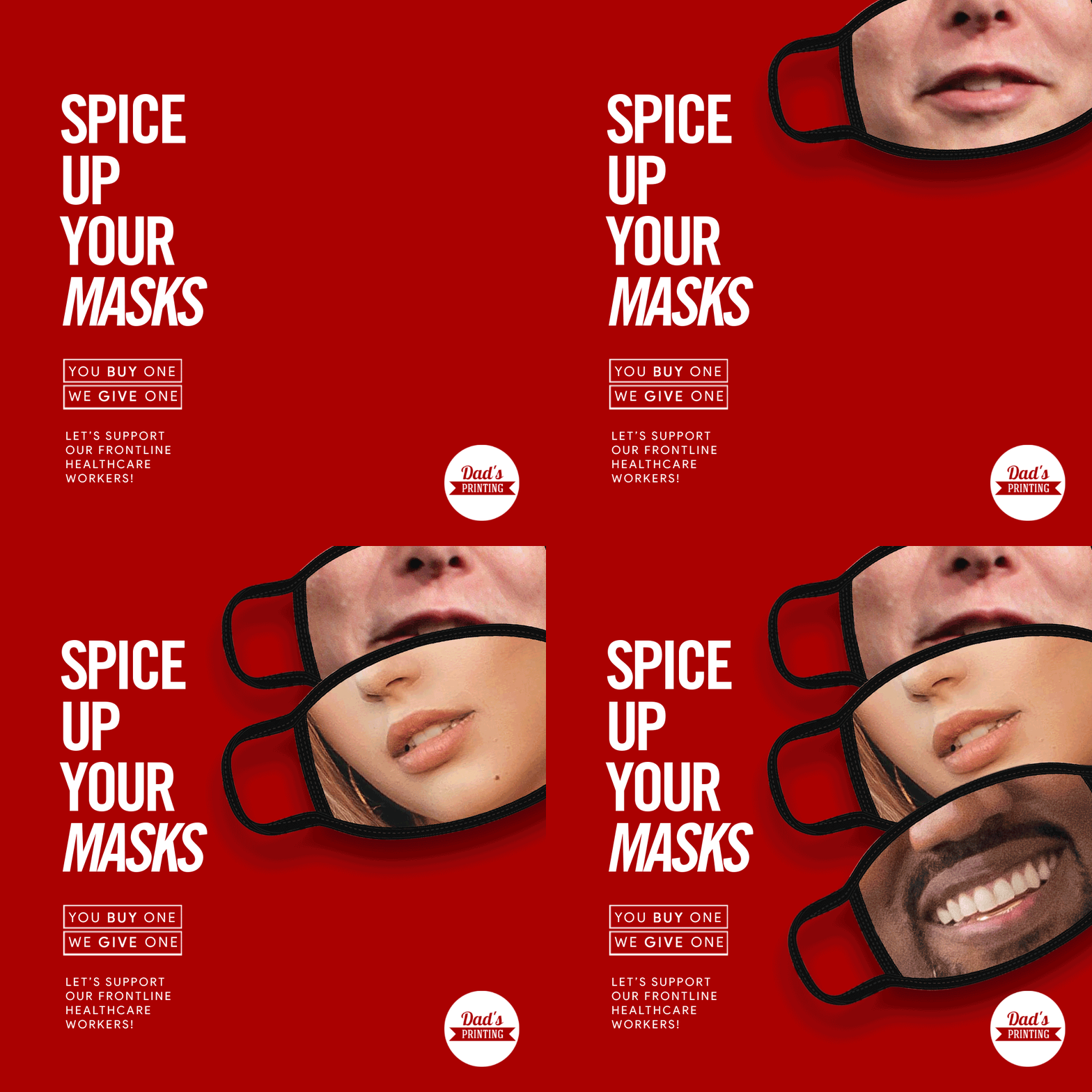
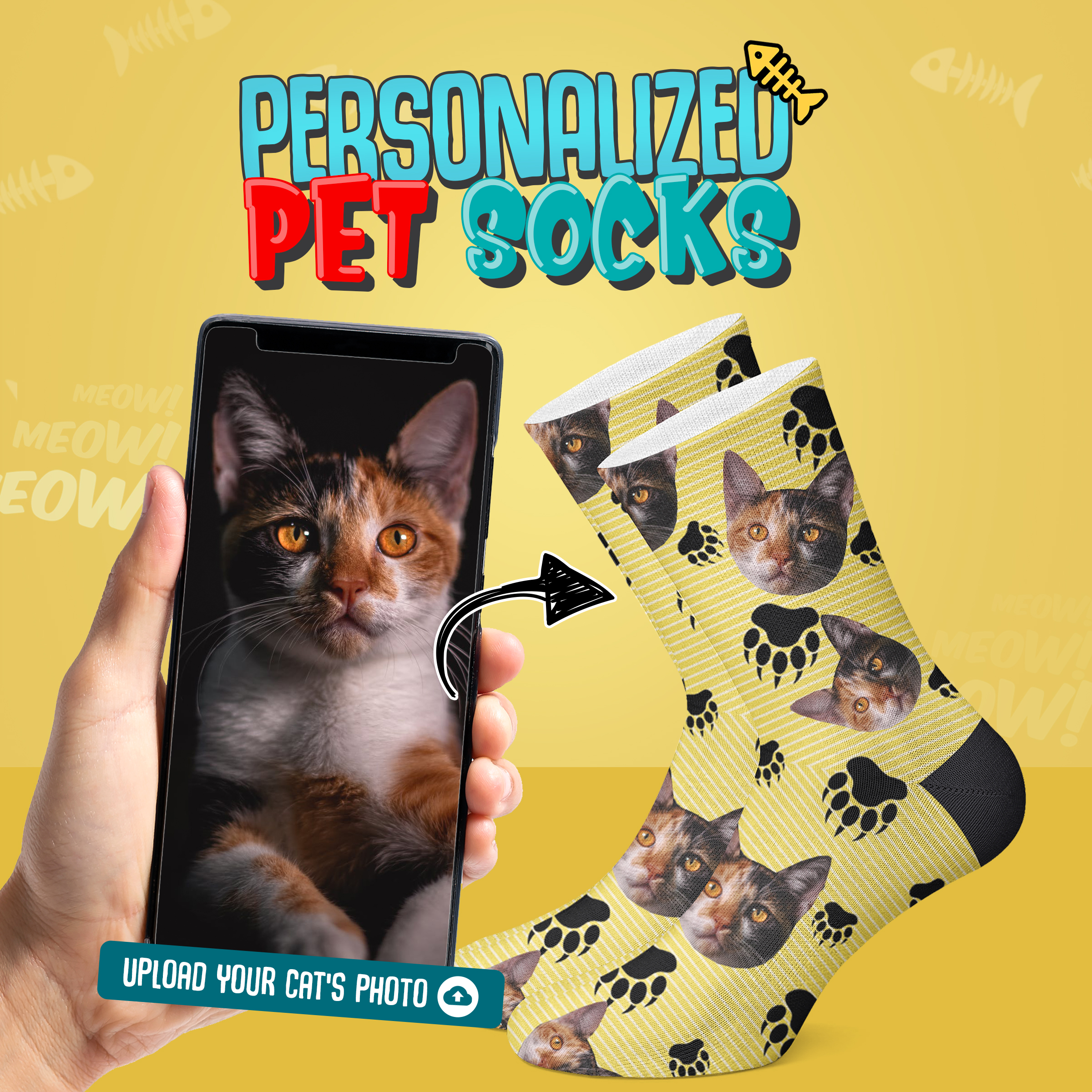
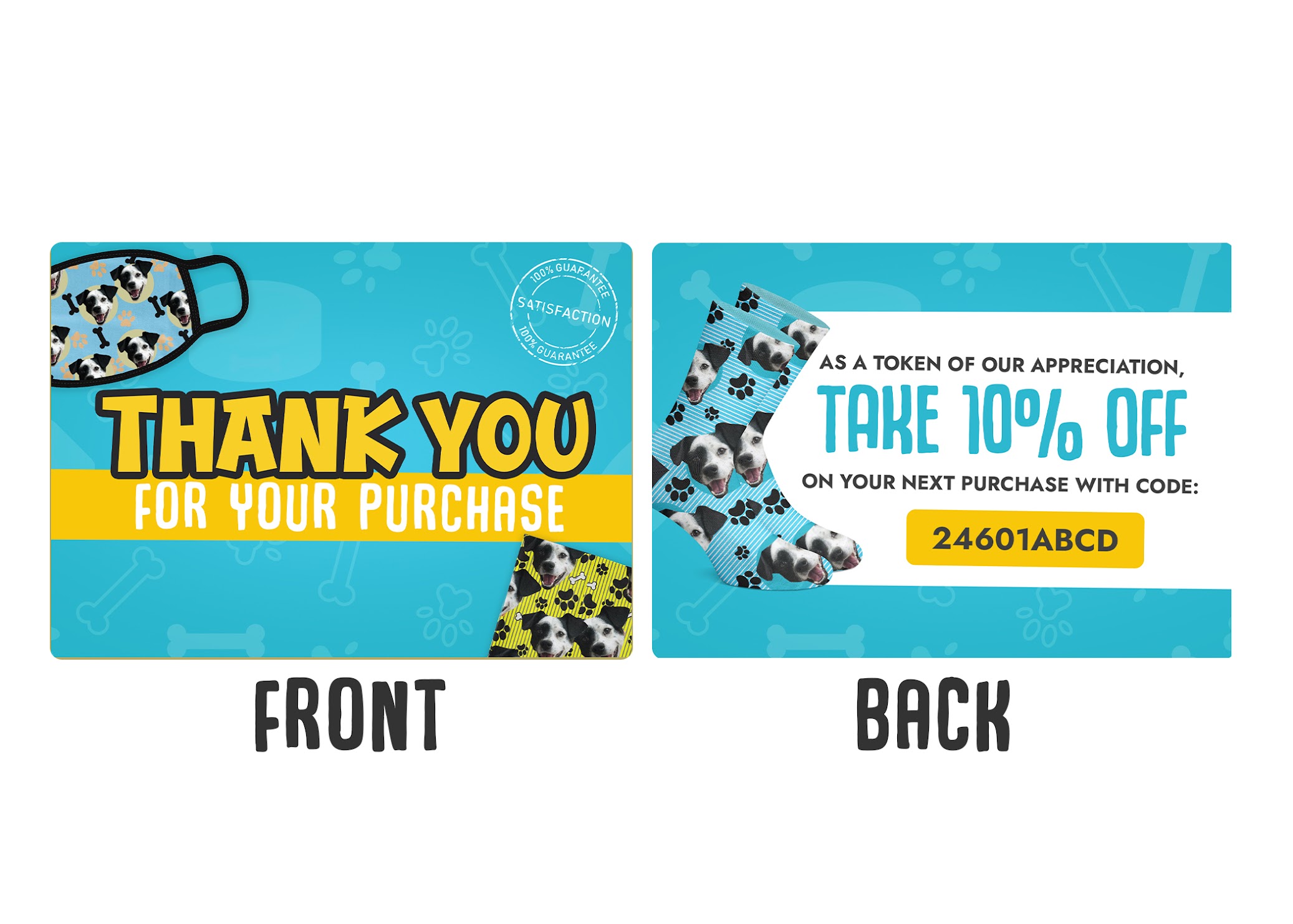
Historical examples of product imagery, campaign creative and customer packaging from Dad’s Printing.

Animated mask campaignPlay animation